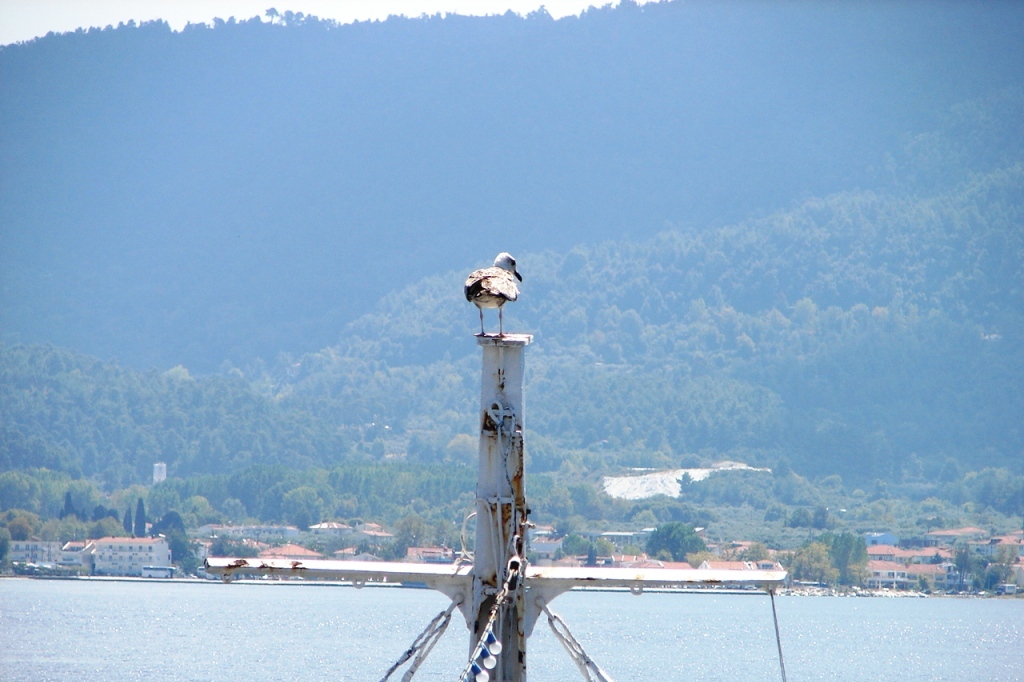
Exotic sands
Giola Lagoon
Thassos · 🇬🇷 Greece
Local gemEurope
A teardrop-shaped natural rock pool of still emerald water, cut into the Thassos sea cliffs and fed by the waves.
Expect a sea temperature of roughly 26°C at Giola Lagoon (Thassos, Greece) in high summer; the season runs Jun-Sep.
Open Giola Lagoon on the interactive map →- Sea temperature
- ~26°C in the warm season
- Water
- Still, clear emerald-turquoise
- Sand
- A natural rock pool, no sand
- Swimming
- A deep, calm natural pool you jump into from the surrounding rock
- Best time to visit
- Jun-Sep
- Setting
- A teardrop rock pool carved into the sea cliffs of southern Thassos
- Beach type
- Exotic sands
- Region
- Europe
Beaches near Giola Lagoon
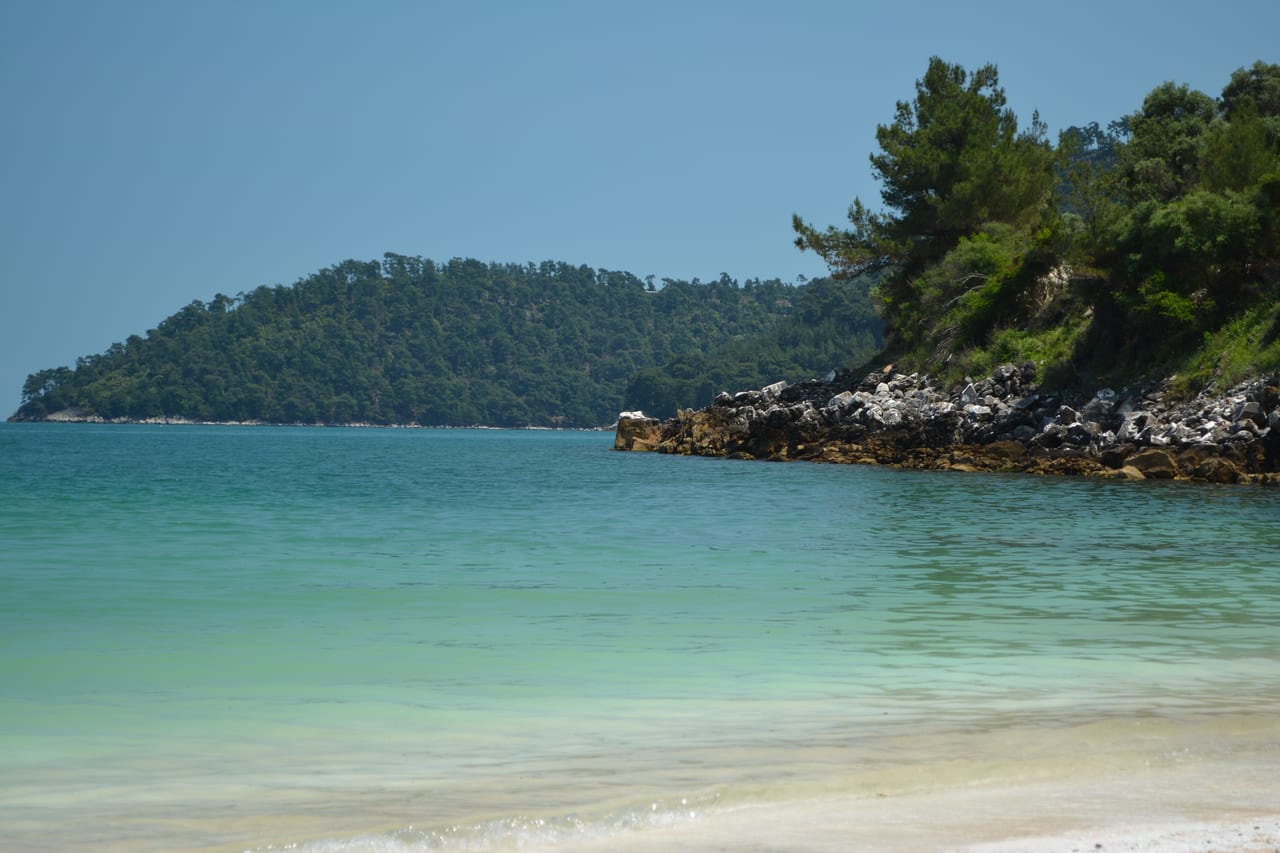 Saliara (Marble) BeachThassos, Greece · 23 km
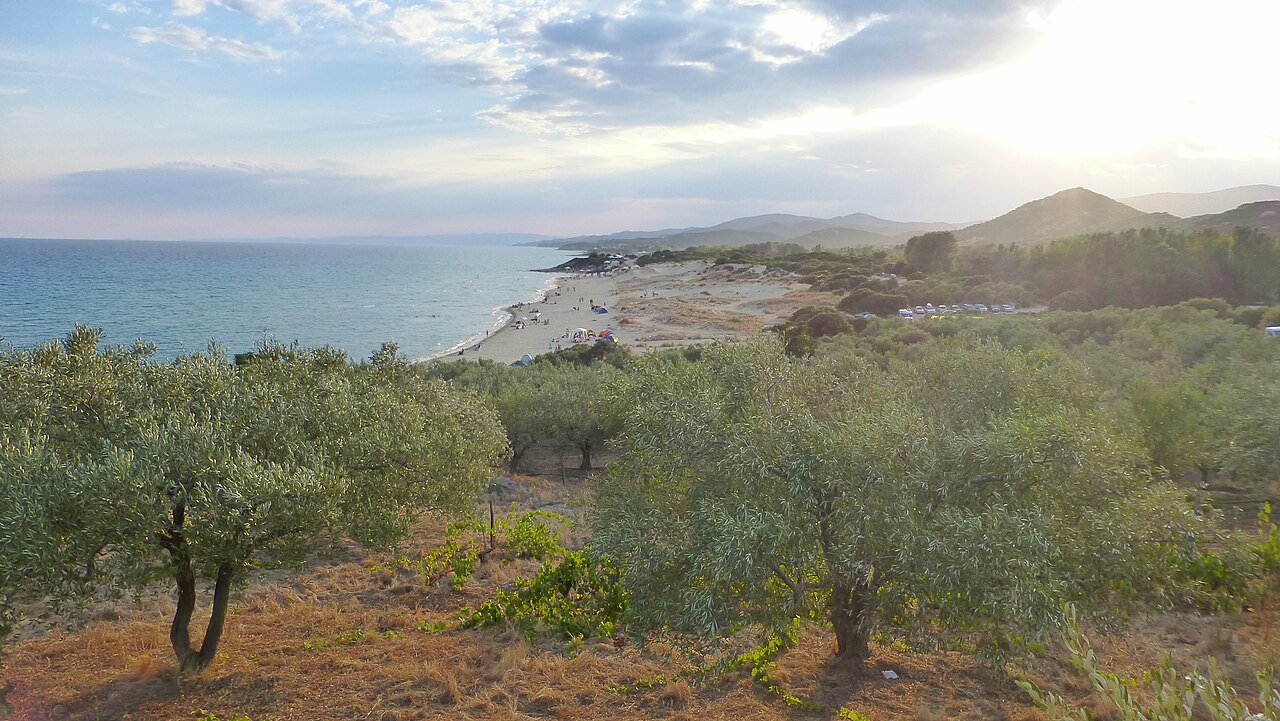 Ammolofoi BeachNea Peramos, Kavala, Greece · 34 km
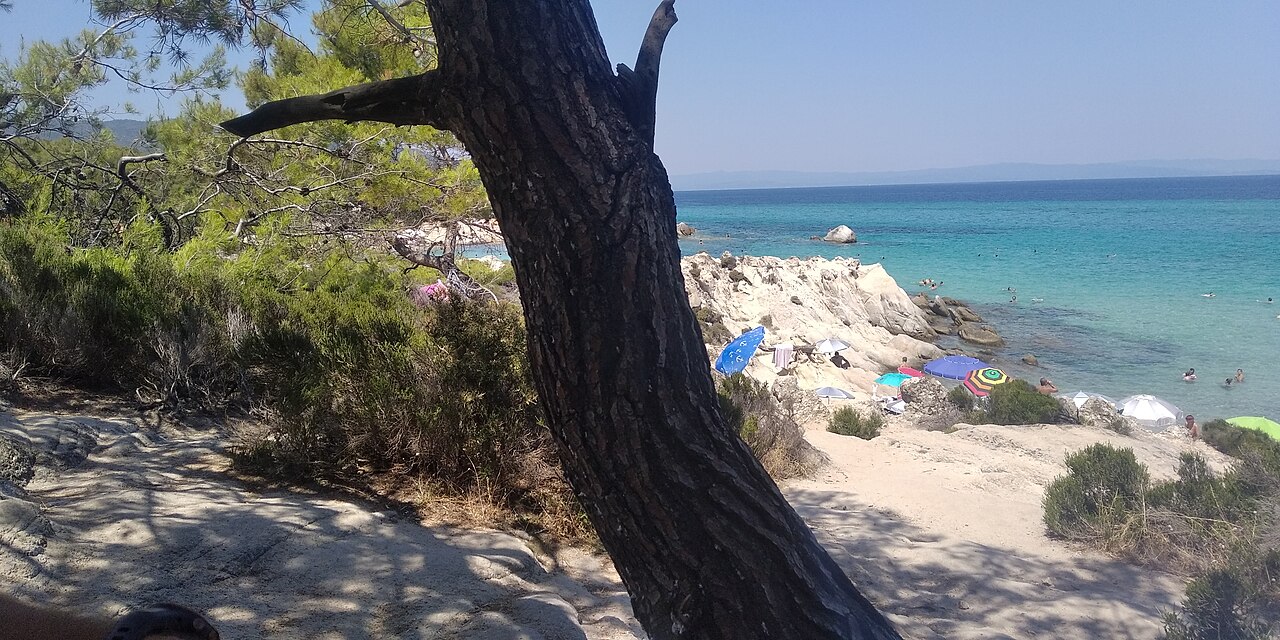 KavourotrypesSithonia, Halkidiki, Greece · 73 km
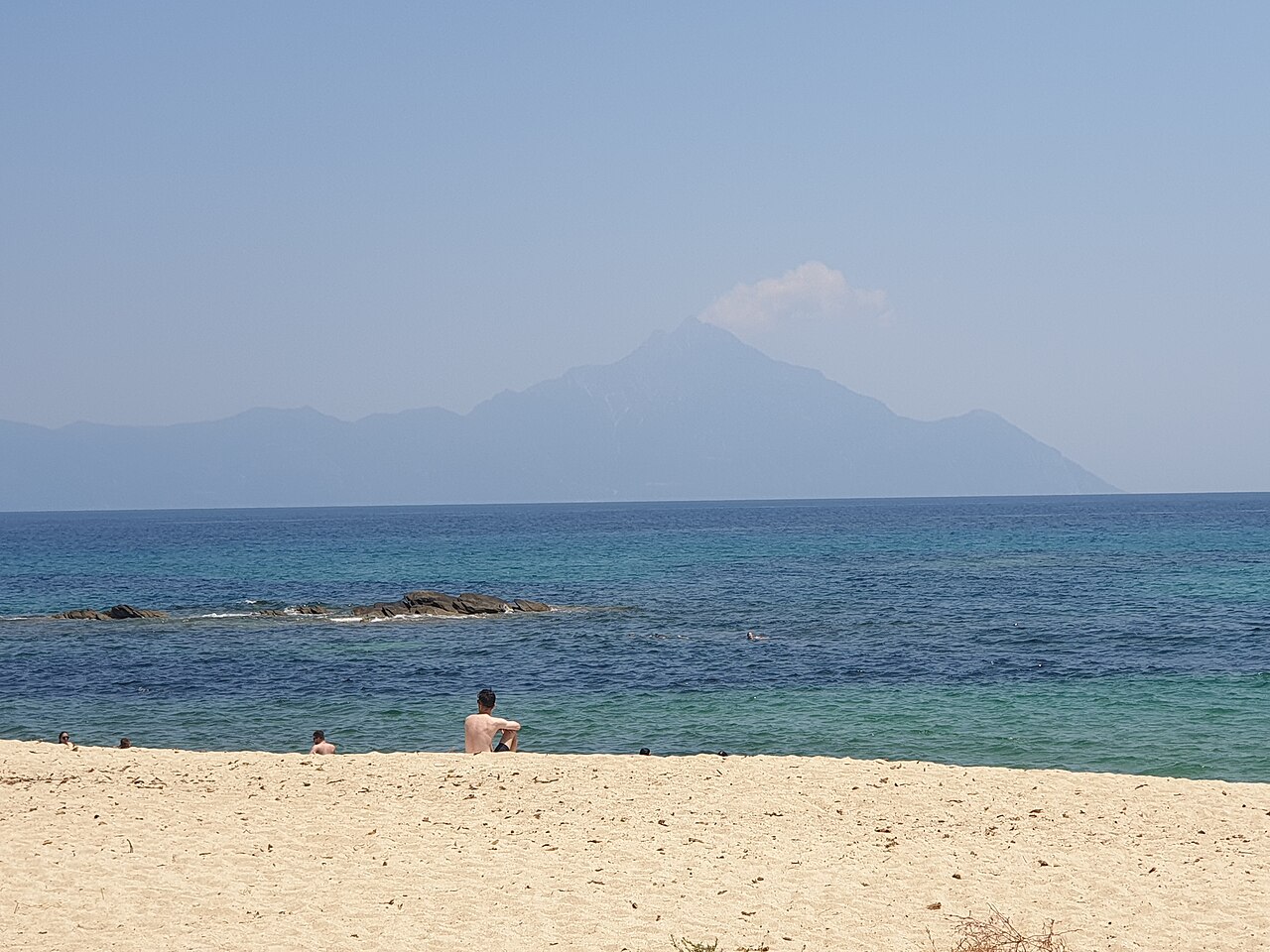 Sarti BeachSithonia, Halkidiki, Greece · 75 km
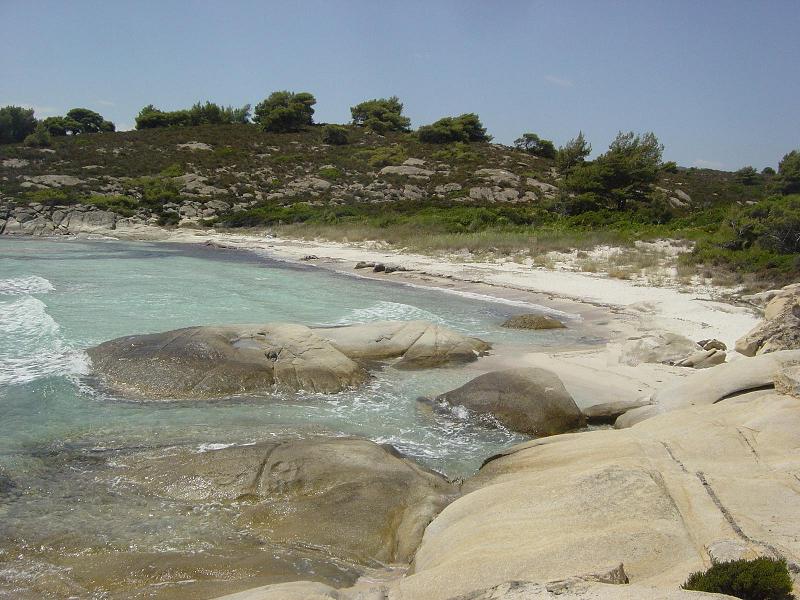 Karidi BeachVourvourou, Sithonia, Greece · 81 km
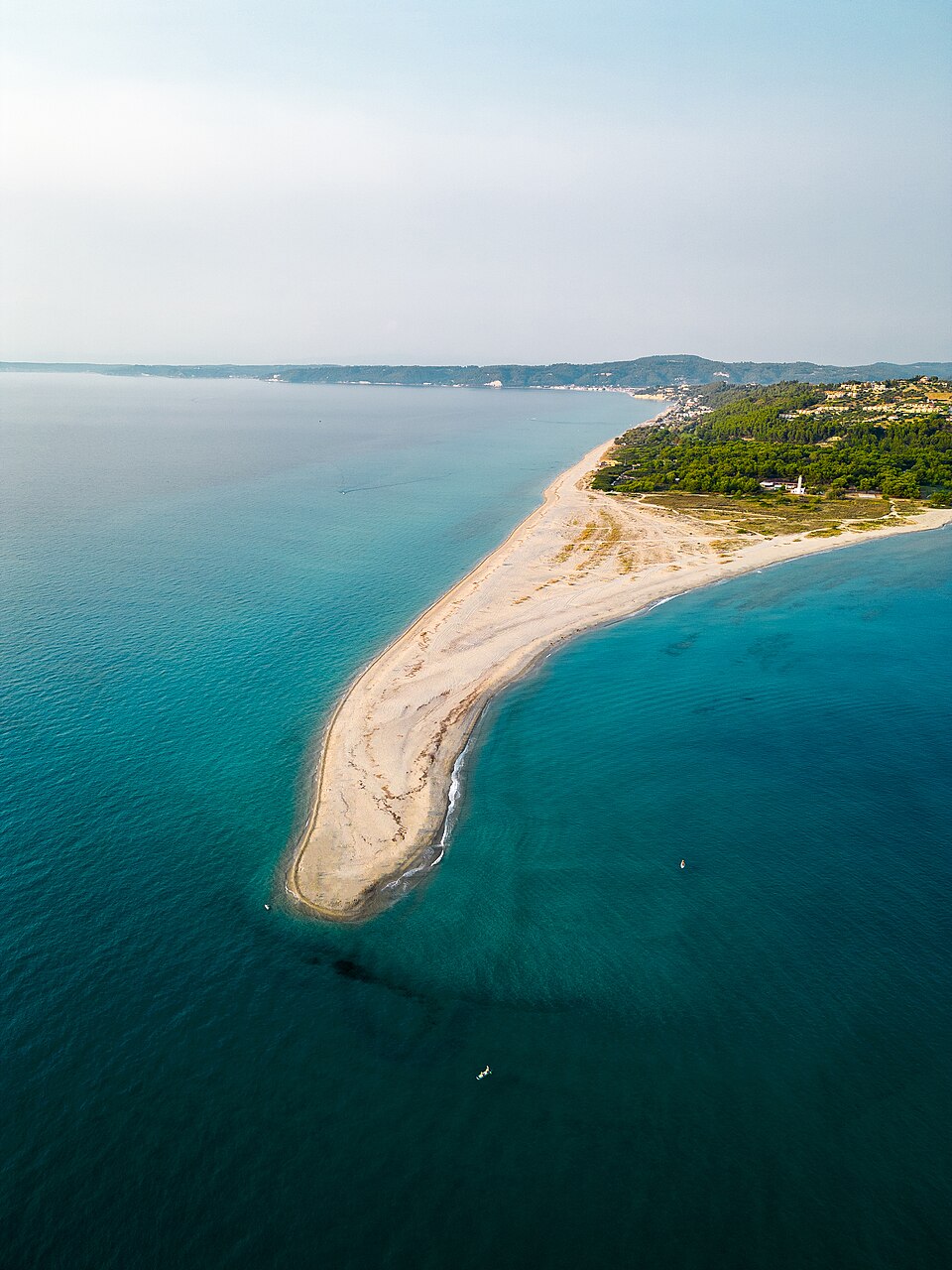 Possidi BeachKassandra, Halkidiki, Greece · 123 km
More beaches in Greece
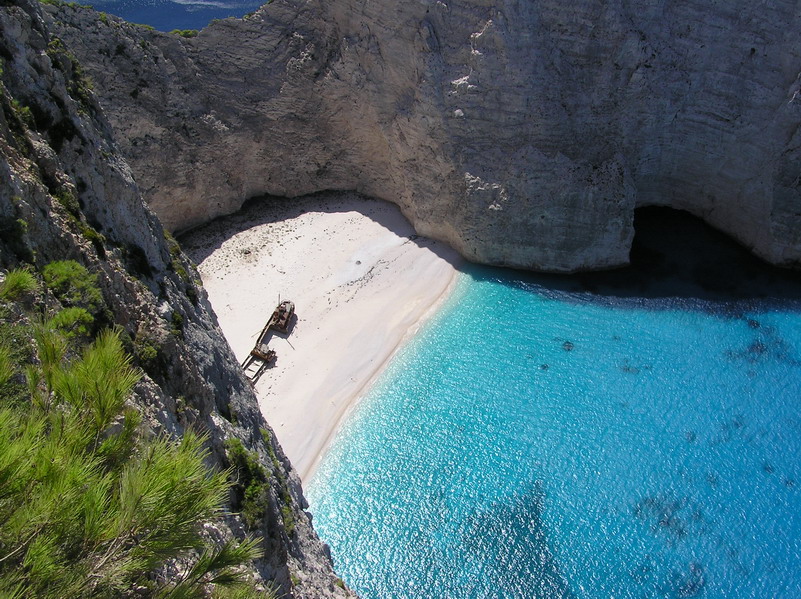 Navagio (Shipwreck) BeachZakynthos, Greece
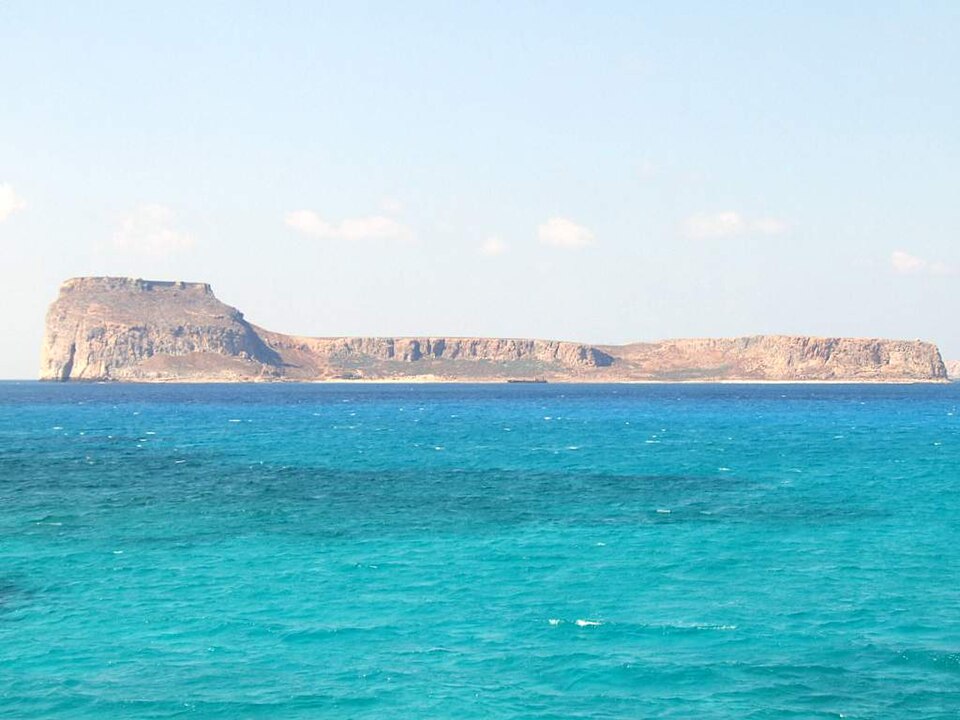 Balos LagoonCrete, Greece
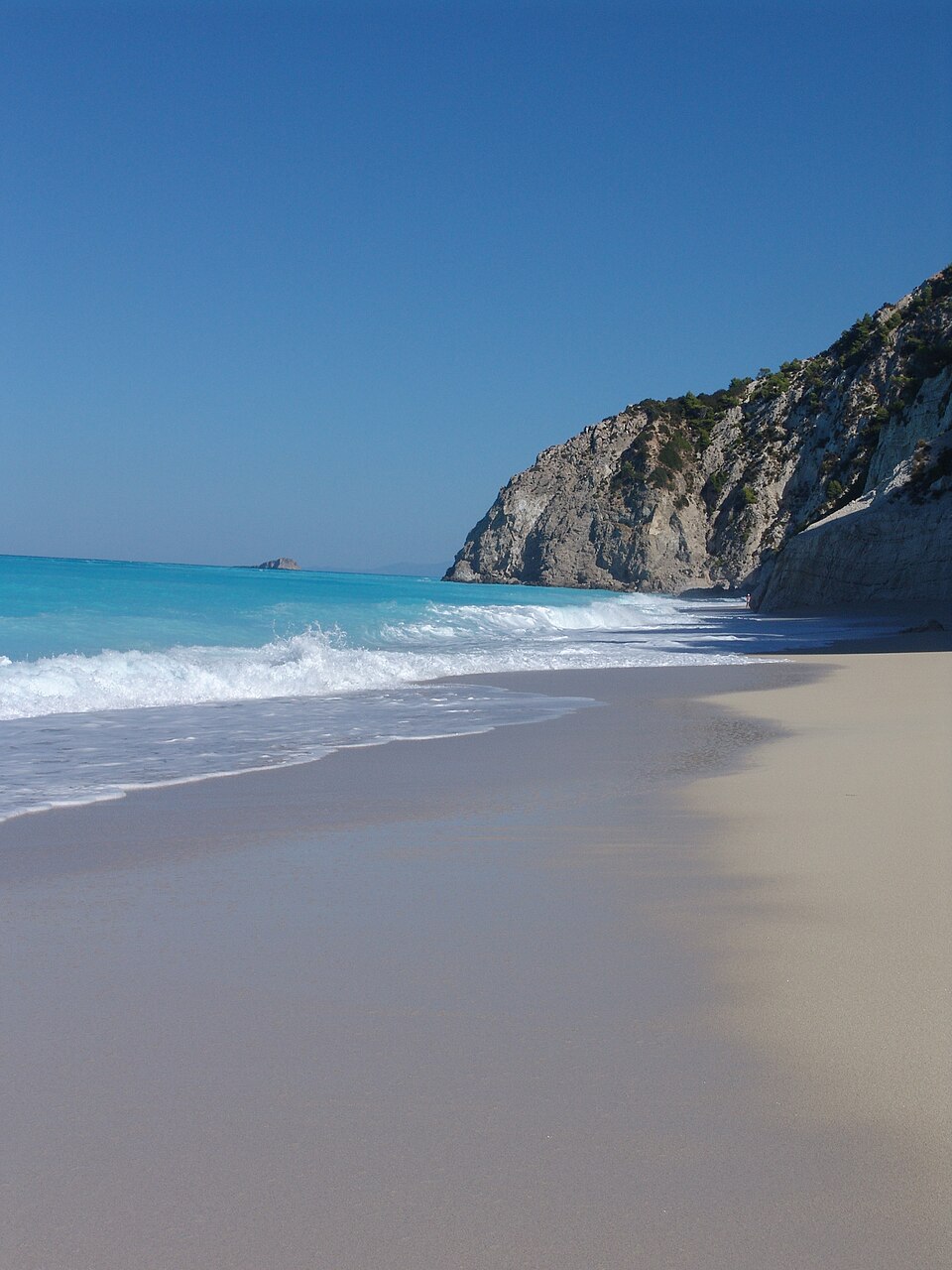 Egremni BeachLefkada, Ionian, Greece
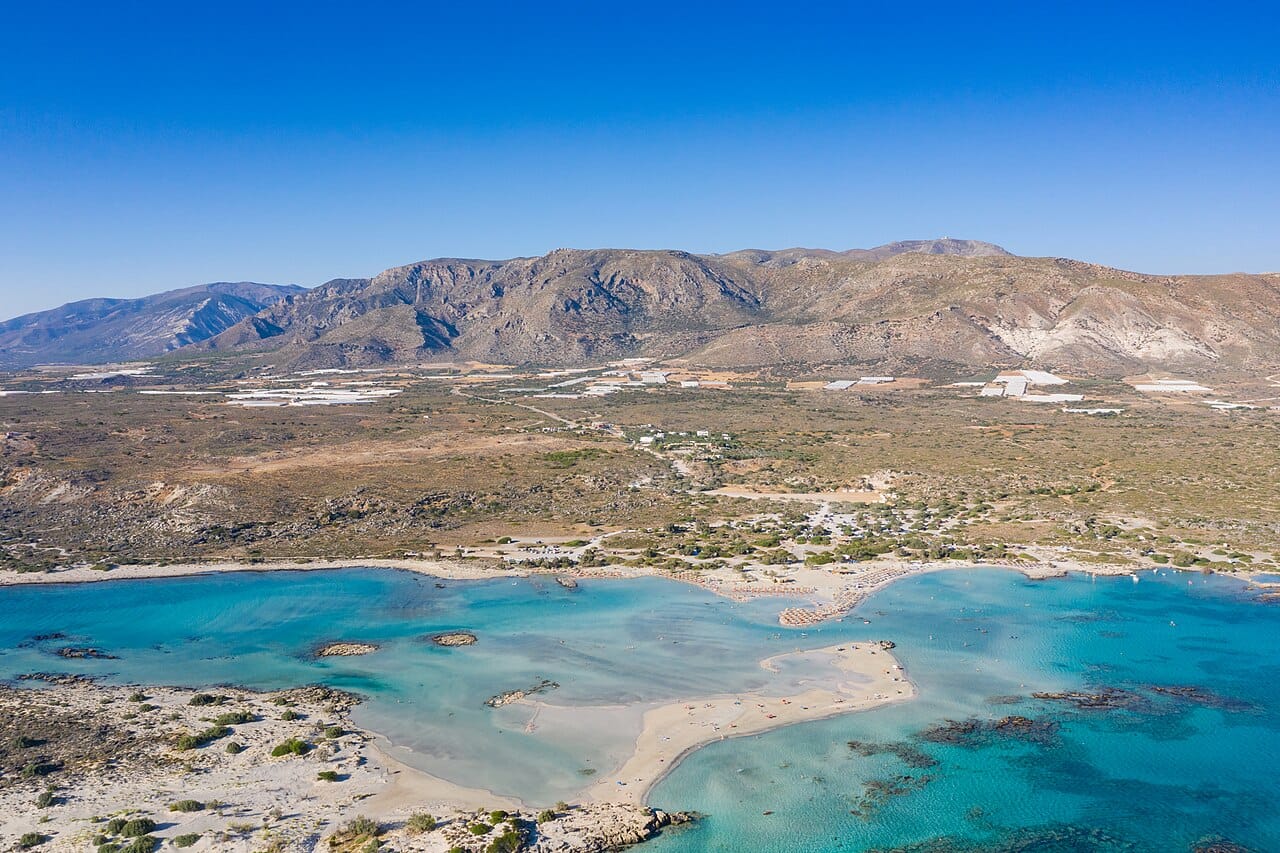 Elafonissi BeachCrete, Greece
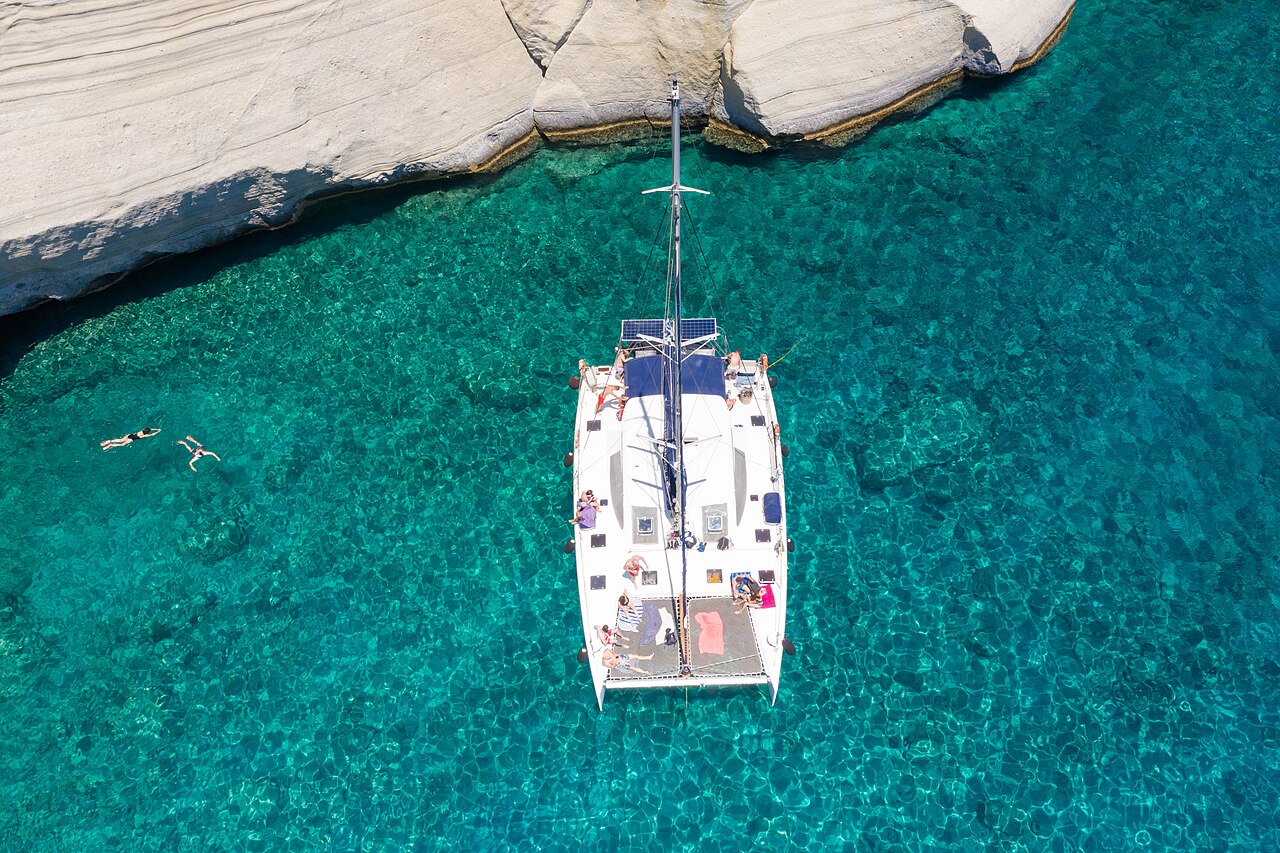 KleftikoMilos, Cyclades, Greece
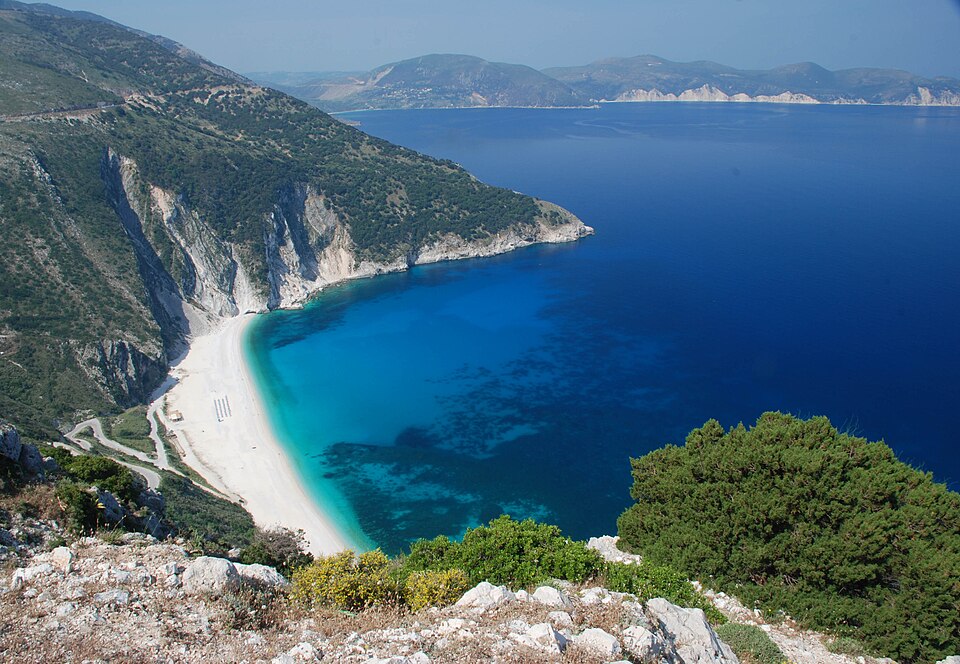 Myrtos BeachKefalonia, Greece
More exotic sands beaches
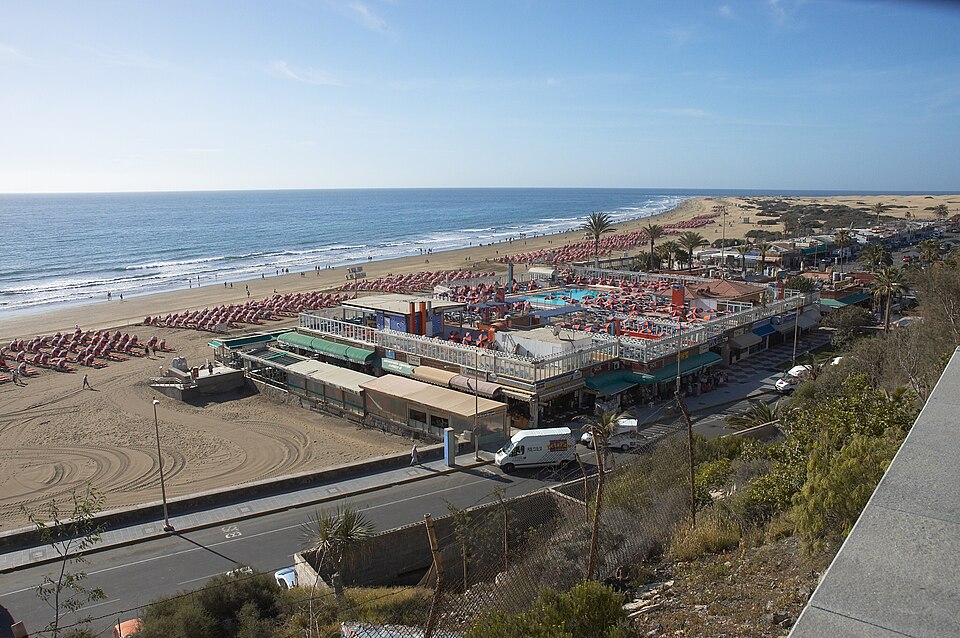 Playa de MaspalomasMaspalomas, Gran Canaria, Spain
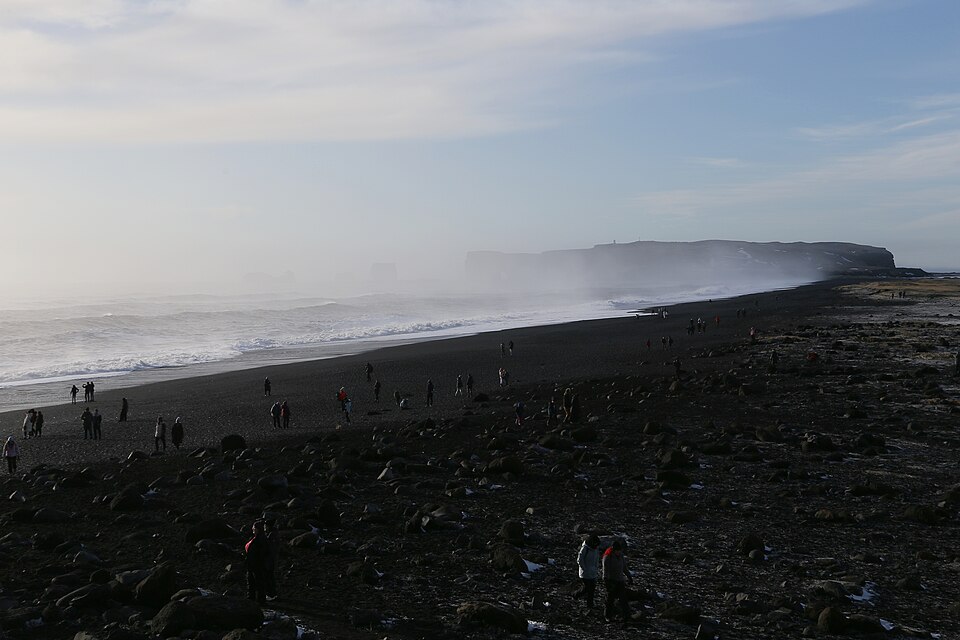 Reynisfjara Black Sand BeachVík, Iceland
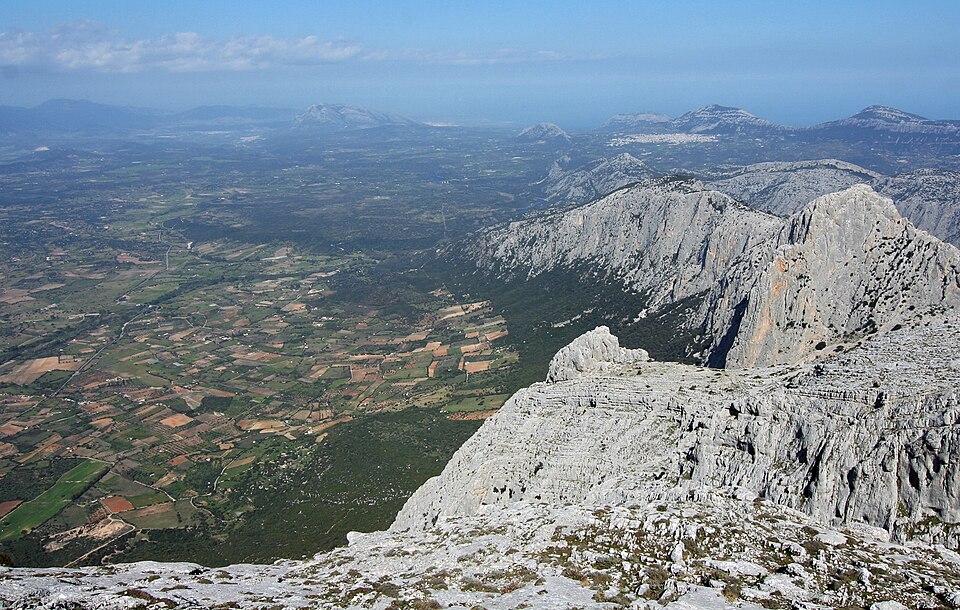 Cala MarioluBaunei, Gulf of Orosei, Italy
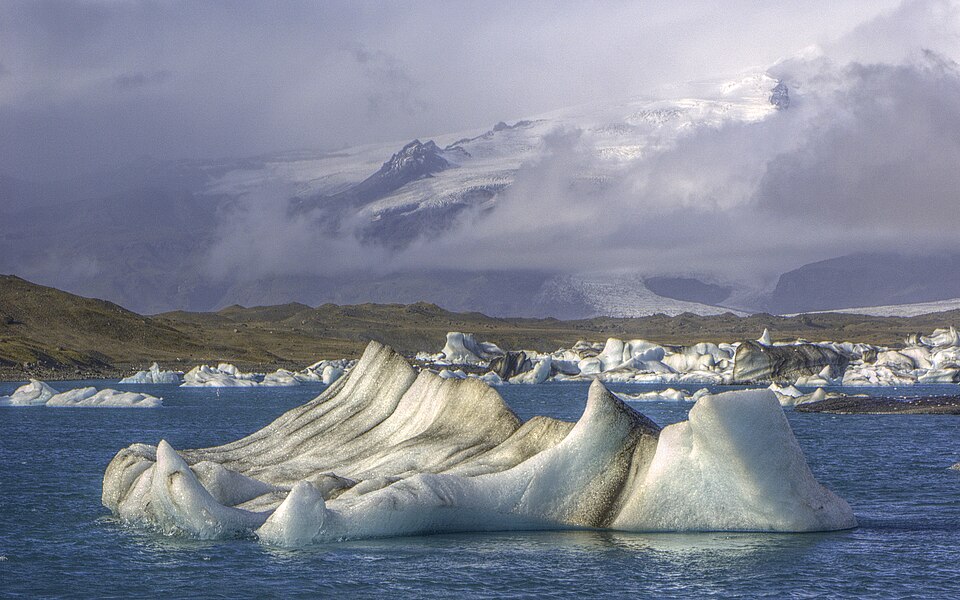 Diamond BeachJökulsárlón, Iceland
Explore more
Giola Lagoon: frequently asked questions
Where is Giola Lagoon?
Giola Lagoon is at Thassos, on the coast of Greece.
What is the sea temperature at Giola Lagoon?
In the warm season the sea at Giola Lagoon reaches about 26°C. Still, clear emerald-turquoise.
When is the best time to visit Giola Lagoon?
The best time to visit Giola Lagoon is Jun-Sep. Europe's beach season peaks in July and August, with June and September quieter and cheaper.
What kind of sand does Giola Lagoon have?
Giola Lagoon has a natural rock pool, no sand.
Is Giola Lagoon good for swimming?
A deep, calm natural pool you jump into from the surrounding rock.
Photo: arjenD (CC BY-SA 3.0) · source
