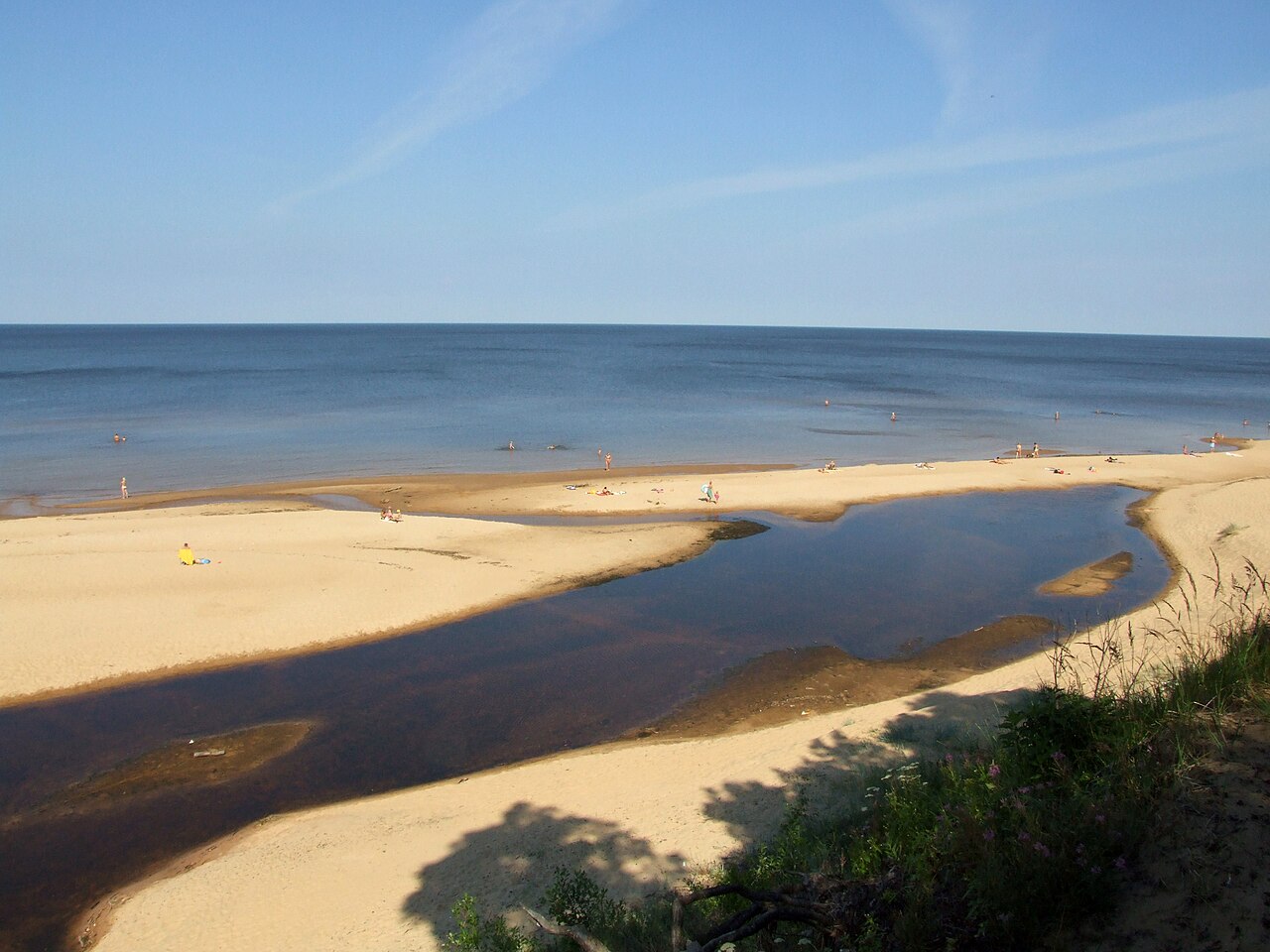
White Dune Beach
Saulkrasti, Gulf of Riga · 🇱🇻 Latvia
An 18-metre white dune rises straight from a quiet, pine-scented Gulf of Riga strand north of Riga.
The sea at White Dune Beach (Saulkrasti, Gulf of Riga, Latvia) is typically around 19°C in the warm season; the best months to visit are Jun-Aug.
Open White Dune Beach on the interactive map →- Sea temperature
- ~19°C in the warm season
- Water
- Shallow, quick-warming Gulf of Riga
- Sand
- Pale soft sand beneath an 18-metre white sandstone bluff
- Swimming
- Long knee-deep entry over sandbars; among the gentlest water on the Latvian coast
- Best time to visit
- Jun-Aug
- Setting
- Where the Inčupe stream reaches the sea below Saulkrasti's Baltā Kāpa; the Sunset Trail runs along the pine-topped dune crest, 45 minutes from Riga
- Beach type
- Wild & scenic
- Region
- Europe
Beaches near White Dune Beach
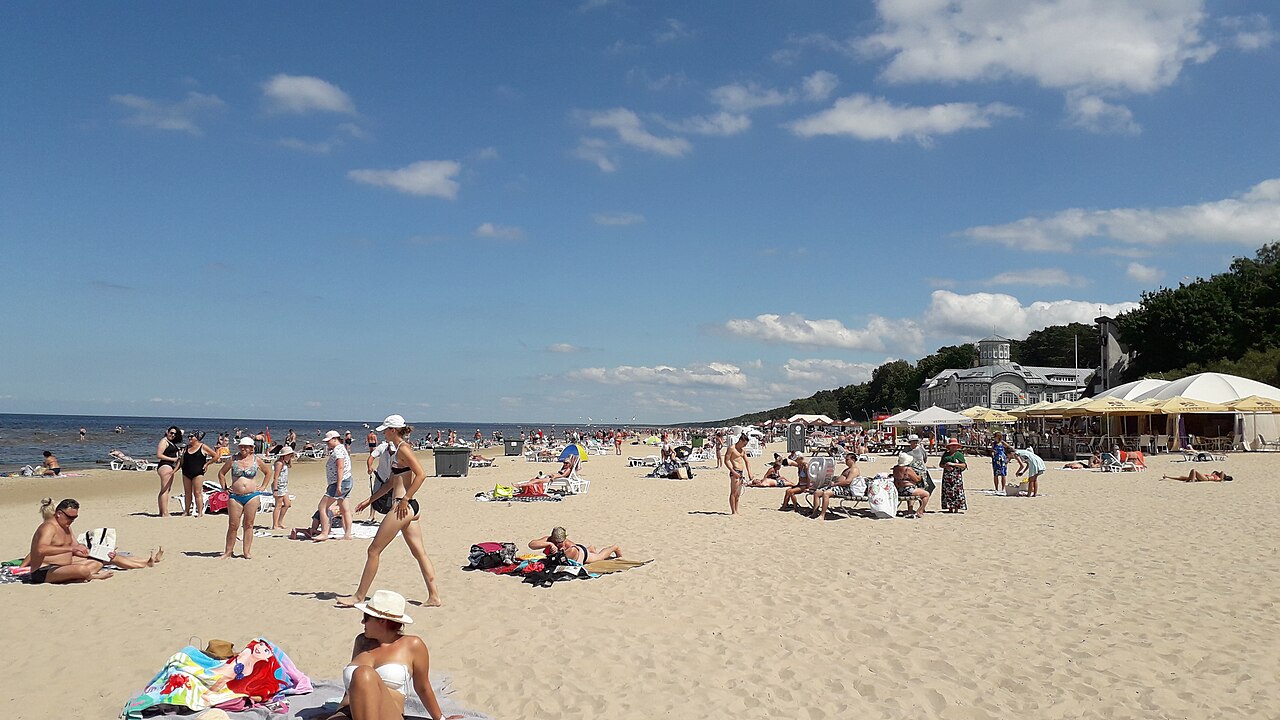 Jurmala BeachJurmala, near Riga, Latvia · 48 km
 Cape KolkaKurzeme, Latvia · 122 km
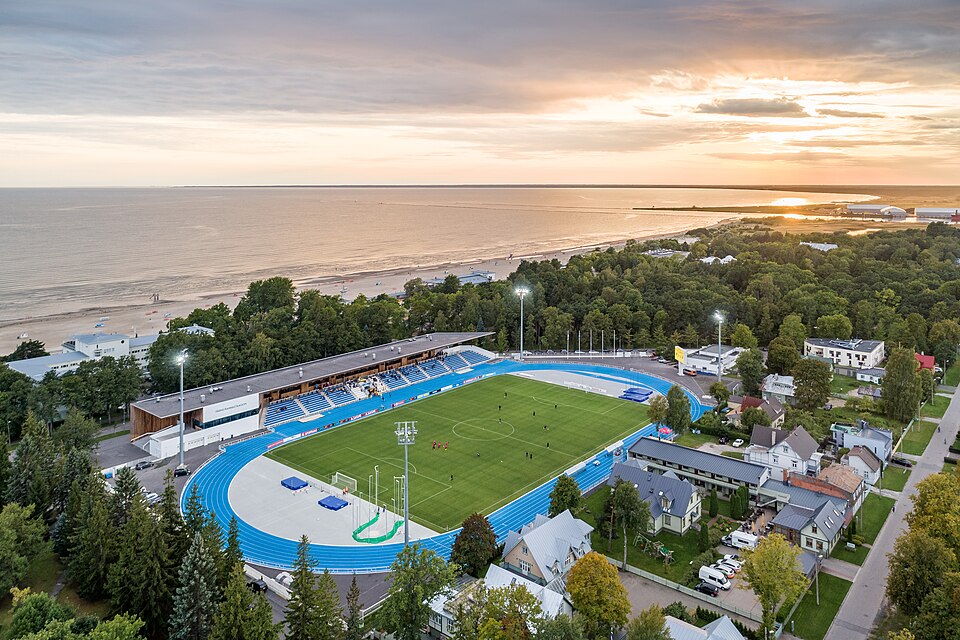 Parnu BeachParnu, Estonia · 127 km
- Järve BeachSaaremaa, Estonia · 157 km
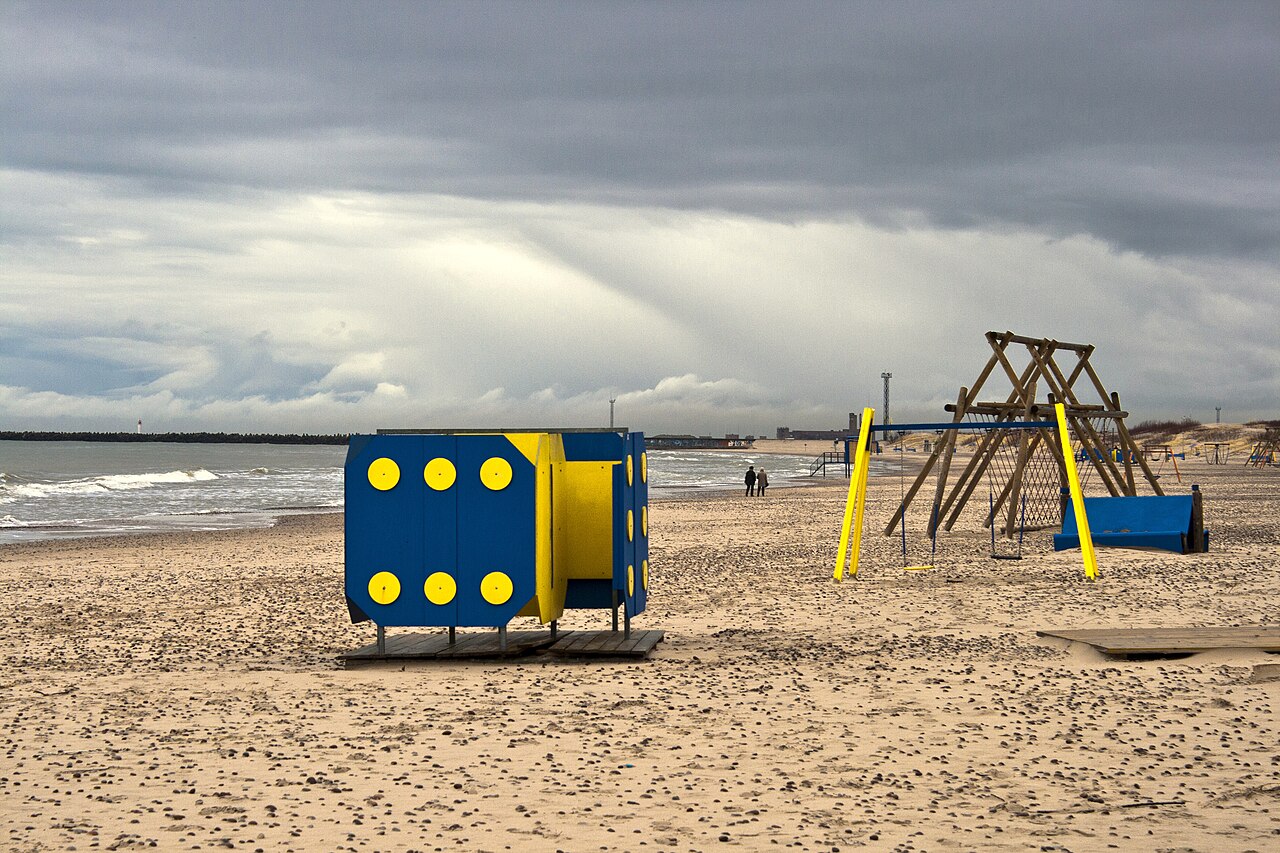 Ventspils BeachVentspils, Courland, Latvia · 173 km
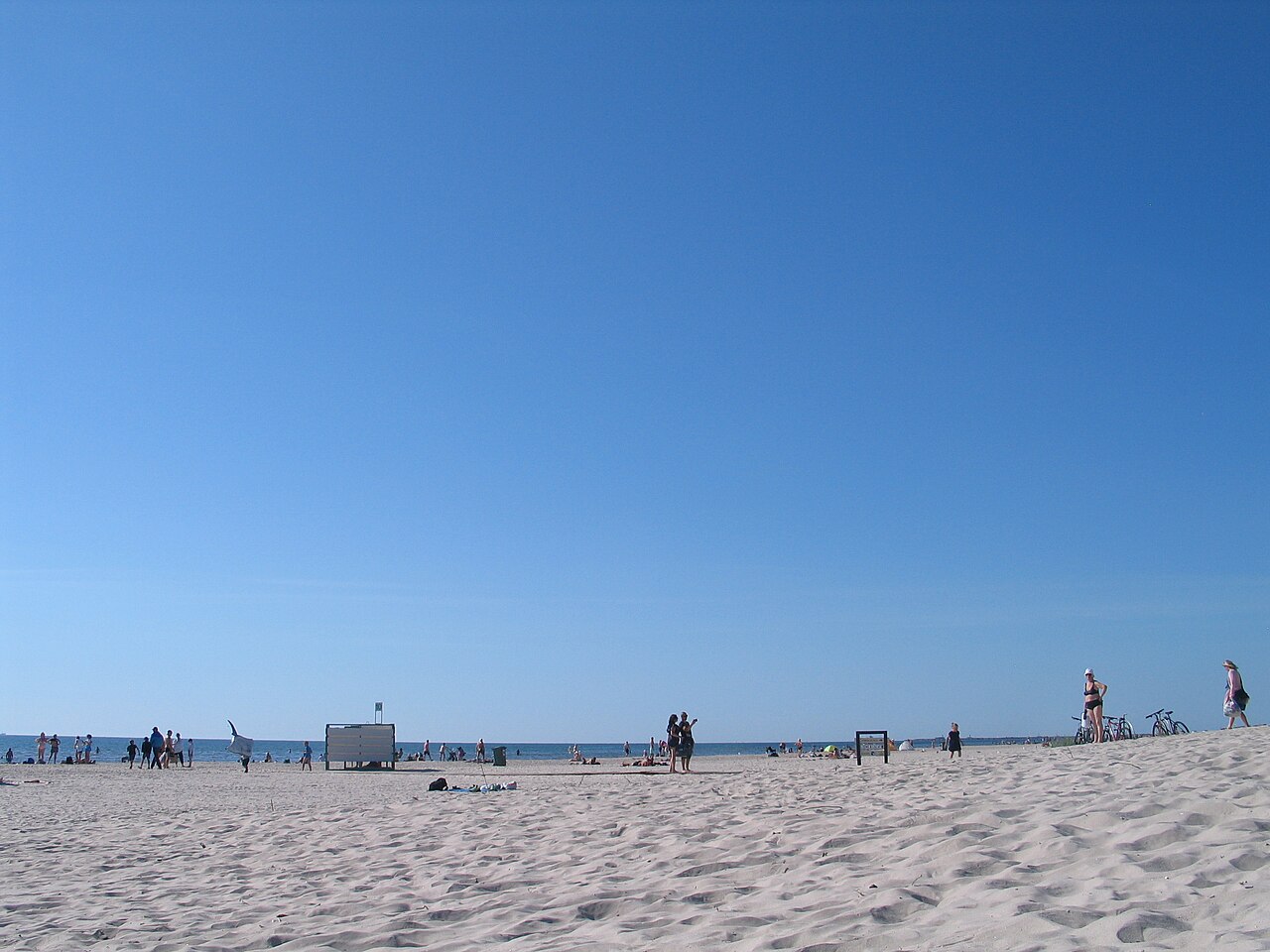 Liepāja BeachLiepāja, Courland, Latvia · 222 km
More wild & scenic beaches
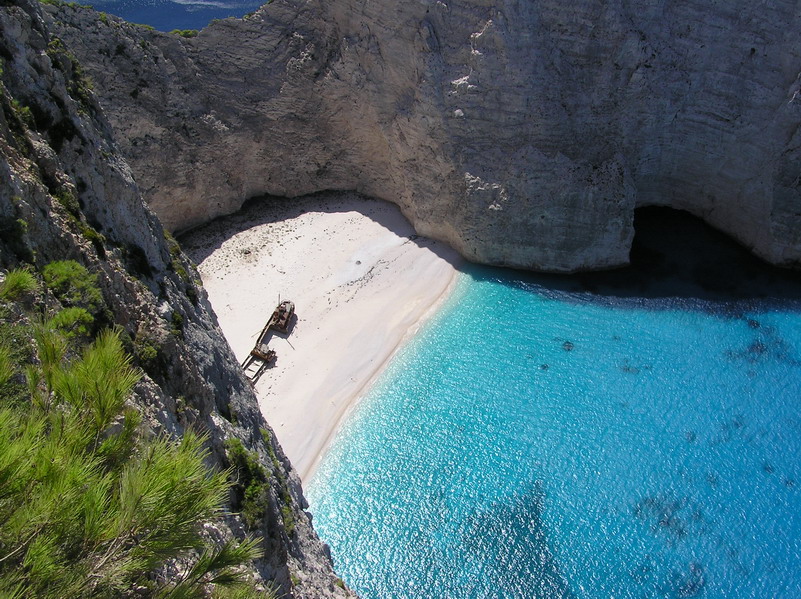 Navagio (Shipwreck) BeachZakynthos, Greece
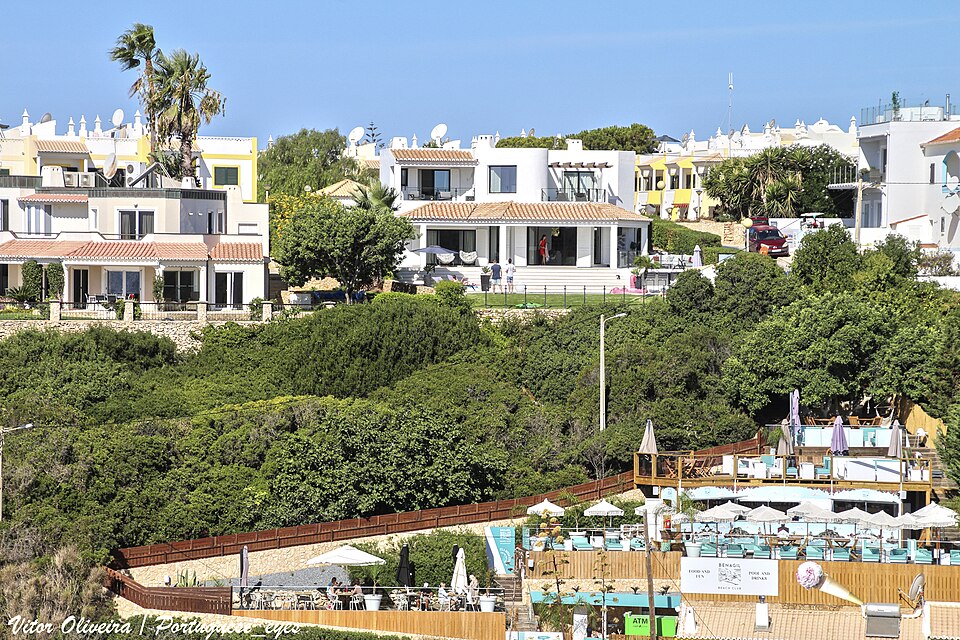 Benagil Beach & CaveAlgarve, Portugal
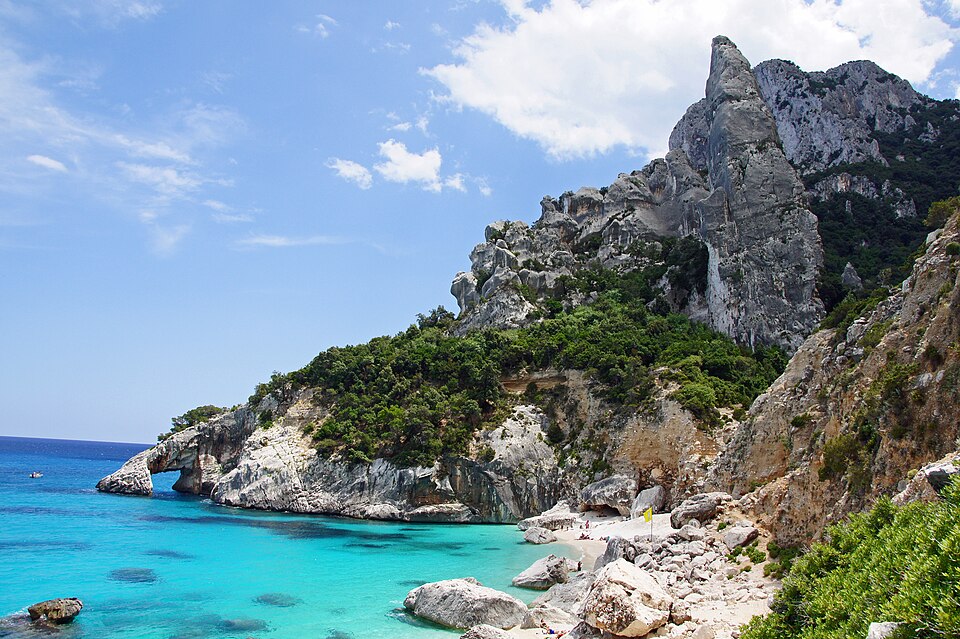 Cala GoloritzéSardinia, Italy
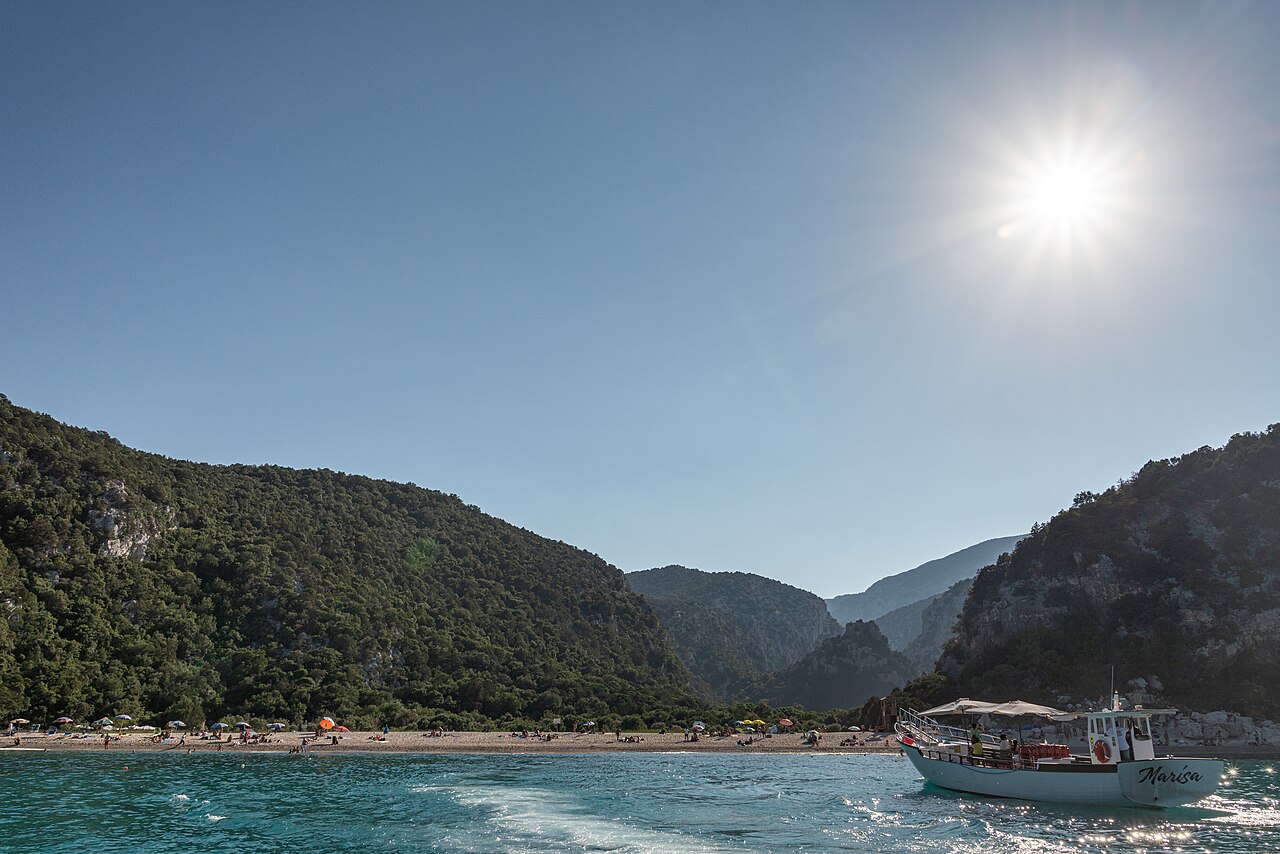 Cala LunaGolfo di Orosei, Sardinia, Italy
Explore more
White Dune Beach: frequently asked questions
Where is White Dune Beach?
White Dune Beach is at Saulkrasti, on the coast of Latvia.
What is the sea temperature at White Dune Beach?
In the warm season the sea at White Dune Beach reaches about 19°C. Shallow, quick-warming Gulf of Riga.
When is the best time to visit White Dune Beach?
The best time to visit White Dune Beach is Jun-Aug. Europe's beach season peaks in July and August, with June and September quieter and cheaper.
What kind of sand does White Dune Beach have?
White Dune Beach has pale soft sand beneath an 18-metre white sandstone bluff.
Is White Dune Beach good for swimming?
Long knee-deep entry over sandbars; among the gentlest water on the Latvian coast.
Photo: Modris Putns (CC BY-SA 3.0) · source
